Release 06 Video Dossier: 15 Official Video Clips Indexed With Source and Mirror Links
This dossier covers only the 15 videos released in Release 06. The release comprised 75 files in total: 1 audio file, 15 video files, and 59 PDF documents; the audio and PDF documents are outside this post's scope.
Release 06: Cleared for Release — Sept. 18, 2026.
The videos include military sensor clips, a digitized historical film, and local law-enforcement cellphone recordings. The military clips show sensors panning, changing magnification, switching between infrared and electro-optical modes, and intermittently losing or reacquiring areas of contrast. Some cellphone footage is blurred for privacy, and AARO notes that autofocus and other automated image-processing can affect the appearance of distant subjects.
This post is an index for reviewing the cases in context:
- official source link to each war.gov case anchor
- YouTube mirror for playback and sharing
- a short note drawn from the published video description
Why this release matters
Release 06 is useful for comparing how different recording systems present an apparent target. The military footage makes sensor motion, magnification changes, mode transitions, and no-content intervals visible; the cellphone cases show a handheld camera tracking a light source with automated image processing in play. The historical Tremonton film is a distinct archival record, with its own limitations and an unrelated segment at the end.
When reviewing the clips, distinguish what the image shows from what the recording system is doing:
- where a target or area of contrast enters, exits, or is reacquired
- when the sensor pans, zooms, or changes imaging mode
- when there is no content, occlusion, or privacy blurring
- how the published notes describe the recording limitations
Release 06 video index
| # | Case ID | Region / Year | Official Source | YouTube Mirror | Quick Note |
|---|---|---|---|---|---|
| 1 | DOW-UAP-PR133 | Middle East / 2025 | Source | Mirror | Extended infrared track with repeated zoom and pan adjustments, brief loss and reacquisition, and a final transit out of frame. |
| 2 | DOW-UAP-PR135 | Middle East / 2025 | Source | Mirror | Several areas of contrast cross the frame before the sensor tracks them; the final segment changes magnification and has no content. |
| 3 | DOW-UAP-PR140 | Middle East / 2022 | Source | Mirror | Short tracking intervals alternate with no-content periods and switches between electro-optical and infrared modes. |
| 4 | DOW-UAP-PR141 | Middle East / 2022 | Source | Mirror | Split EO/IR display and repeated mode changes accompany several tracking attempts, intermittent contact loss, and a brief second area of contrast. |
| 5 | DOW-UAP-PR143 | Yellow Sea / 2023 | Source | Mirror | Short 19-second infrared clip; the sensor pans to keep an area of contrast generally centered. |
| 6 | DOW-UAP-PR144 | Yellow Sea / 2023 | Source | Mirror | An area of contrast begins off-center; the sensor then magnifies and pans to keep it near the center. |
| 7 | DOW-UAP-PR148 | East China Sea / 2023 | Source | Mirror | After three seconds with no content, the sensor tracks an area of contrast and increases magnification near the end. |
| 8 | DOW-UAP-PR150 | Yellow Sea / 2023 | Source | Mirror | A focus-box overlay appears during tracking; platform geometry then occludes and blurs part of the sensor display. |
| 9 | DOW-UAP-PR151 | Yellow Sea / 2023 | Source | Mirror | Infrared sensor pans to track an area of contrast, with a brief magnification increase mid-clip. |
| 10 | DOW-UAP-PR152 | Yellow Sea / 2023 | Source | Mirror | Longer, 98-second infrared sequence of the sensor panning to track an area of contrast. |
| 11 | DOW-UAP-PR159 | Utah / 1952 | Source | Mirror | Digitized 16mm Tremonton film; the final portion shows unrelated sewing-equipment footage, and the limited detail prevents a conclusive resolution. |
| 12 | LLE-UAP-PR001 | Colorado / 2023 | Source | Mirror | Privacy blur covers the lower half; the camera pans and changes magnification while tracking an apparent light source. |
| 13 | LLE-UAP-PR002 | Colorado / October 2023 | Source | Mirror | Fifteen-minute cellphone recording focused on an apparent light source; the lower half is blurred for privacy. |
| 14 | LLE-UAP-PR003 | Colorado / October 2023 | Source | Mirror | Short, magnified cellphone recording of an apparent light source; the lower half is blurred during the first two seconds. |
| 15 | LLE-UAP-PR004 | Colorado / January 2024 | Source | Mirror | Cellphone recording described by the reporting officer as silent, with red, blue, and green flashing lights. |
Embedded videos
DOW-UAP-PR133
DOW-UAP-PR135
DOW-UAP-PR140
DOW-UAP-PR141
DOW-UAP-PR143
DOW-UAP-PR144
DOW-UAP-PR148
DOW-UAP-PR150
DOW-UAP-PR151
DOW-UAP-PR152
DOW-UAP-PR159
LLE-UAP-PR001
LLE-UAP-PR002
LLE-UAP-PR003
LLE-UAP-PR004
Analyst notes for this tranche
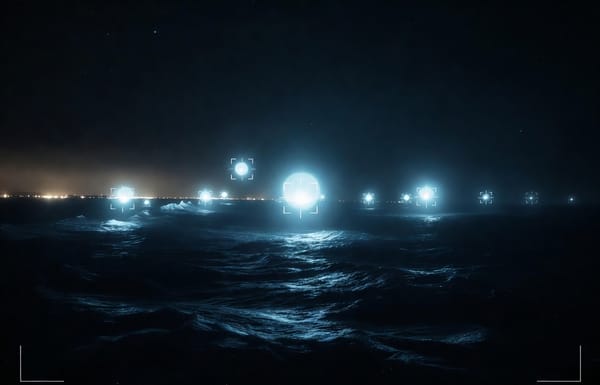
The military clips are useful for studying sensor behavior as well as the tracked areas of contrast. Panning and zoom changes can keep an apparent target near the center of the display, while gaps, mode changes, or occlusion interrupt the visible sequence. These display actions alone do not establish the target's motion or identity.
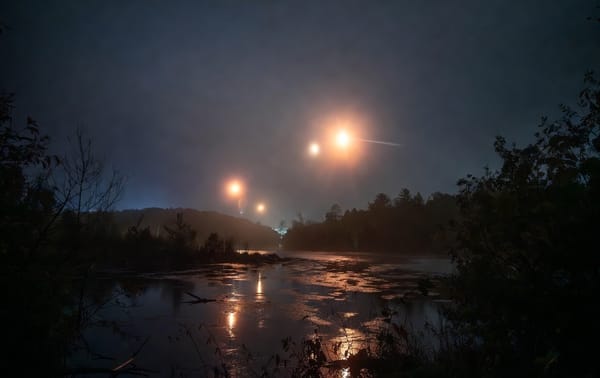
The four Colorado recordings are a different kind of evidence: cellphone footage of an apparent light source, with lower portions digitally blurred for privacy. AARO's accompanying comments caution that autofocus and other automated processing can affect the apparent shape and motion of distant subjects, especially at high magnification.
The Tremonton film is a historical record rather than a sensor-tracking clip. The available footage has limited detail and no fixed reference points, and its final section shows unrelated sewing-equipment footage. Those constraints should be kept in view when comparing it with the modern recordings.
Three recurring review points:
- Recording system: distinguish sensor or camera movement and magnification changes from apparent target movement.
- Continuity: note no-content intervals, mode transitions, occlusions, and reacquisition before treating separate viewing intervals as continuous.
- Limitations: account for privacy edits, automated cellphone processing, and the archival film's limited detail.
The practical takeaway is to review each clip alongside its official description and recording limitations, rather than treating a short excerpt as a standalone conclusion.
Source
Primary release page: https://www.war.gov/UFO/release/06/?releaseDate=Release+06&release=06&type=.vid